In Plain Sight: What to Do When You Don’t “Get” Modern Art


Modern art. Is there anything else that can strike so much fear in the heart of the average museumgoer?
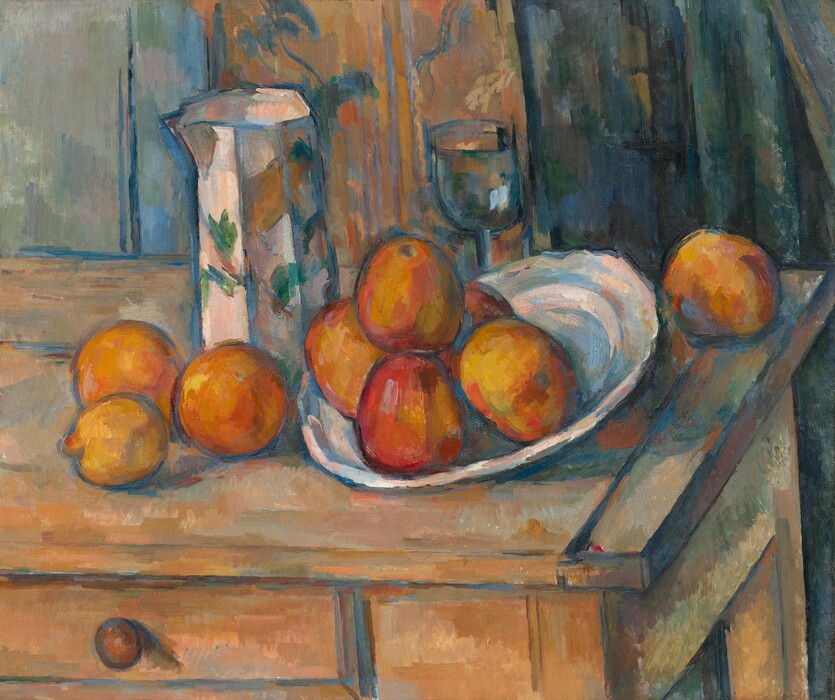
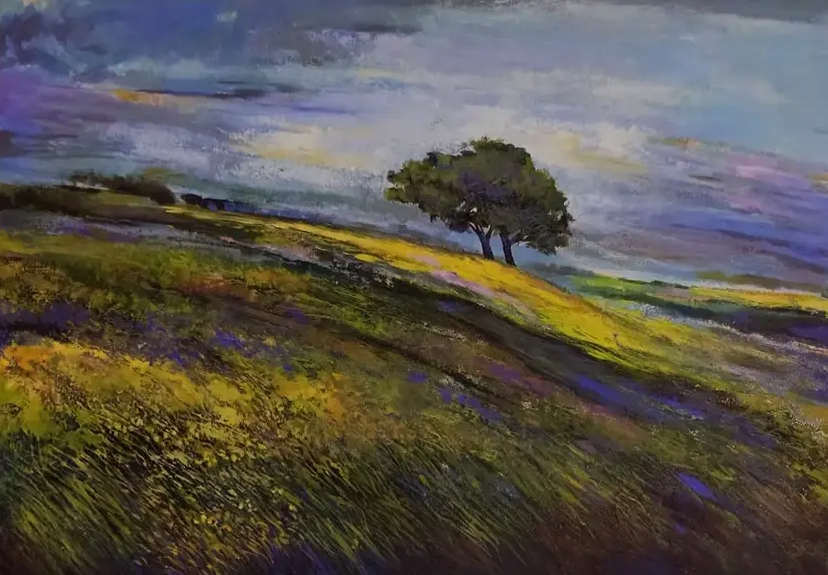
Canvases are spattered with paint, lined with grids, or barely contain shapes that seem to want to float away. Faces or buildings or trees emerge from a geometric background, but on close inspection, they break apart into brushstrokes. A car tire is cut apart and reassembled. A giant mobile floats in the air, catching the breeze. The whole world is shaded blue. Is it any wonder that, compared to the straightforward, legible works of, say, the Renaissance, this could feel destabilizing?
When it comes to modern art, it’s natural to ask, well, what does it mean? What is this work about? How did we just go from fauvism to cubism to futurism? How could I ever understand this stuff without a graduate degree?
But you can! I promise you, you can. Because modern art is all about being of its own moment—which means that we can feel free to relate it to our moment. “We’re dealing with some of the same issues about how we put the world together,” says Harry Cooper, Bunny Mellon Curator of Modern Art at the National Gallery. “I could sit down with Cezanne and have a conversation that wouldn’t feel so alien.”